
Dekmantel 2026: From At Dawn to the final dance
Dekmantel has a reputation for being one of the best electronic music festivals in the world. After four days there, I can now understand why. Photo Credit: Noah Schielen I Sander van der Ven I Tim Buiting I Angelina Nikolayeva I Hannah Bruynzeel Thursday: A Perfect Start to Dekmantel My weekend started on Thursday at…
Dekmantel has a reputation for being one of the best electronic music festivals in the world. After four days there, I can now understand why.
Photo Credit: Noah Schielen I Sander van der Ven I Tim Buiting I Angelina Nikolayeva I Hannah Bruynzeel
Thursday: A Perfect Start to Dekmantel
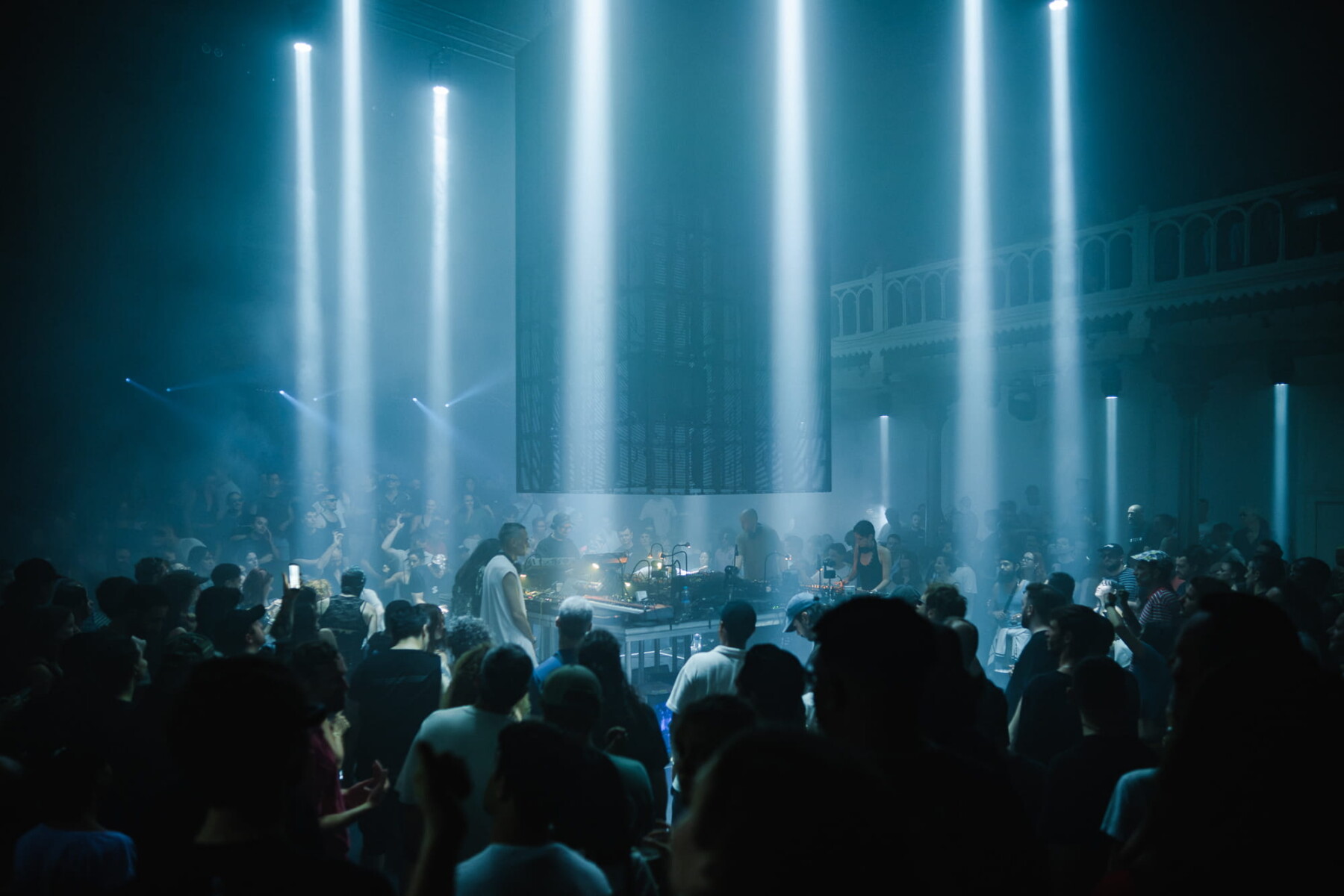
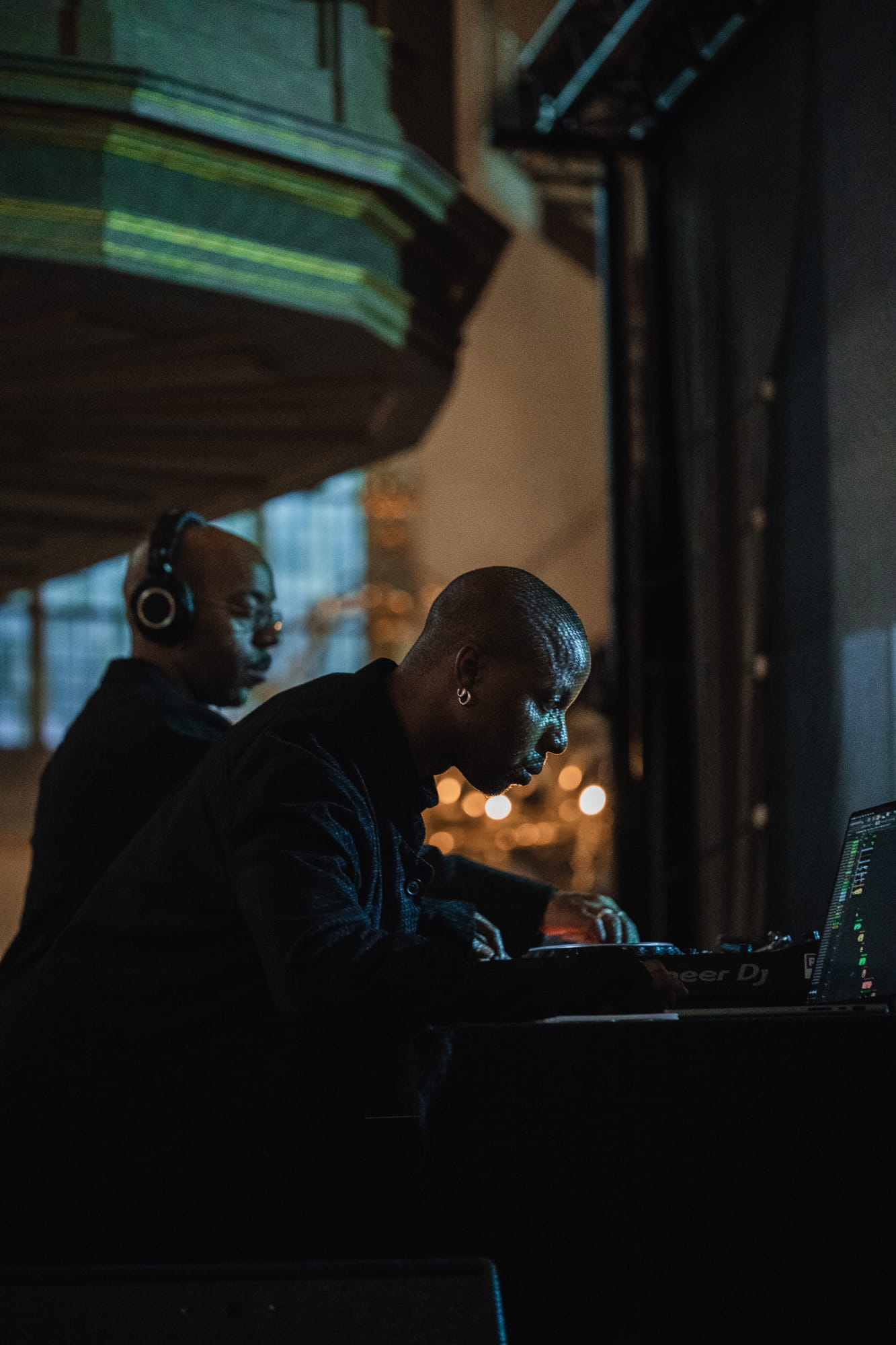
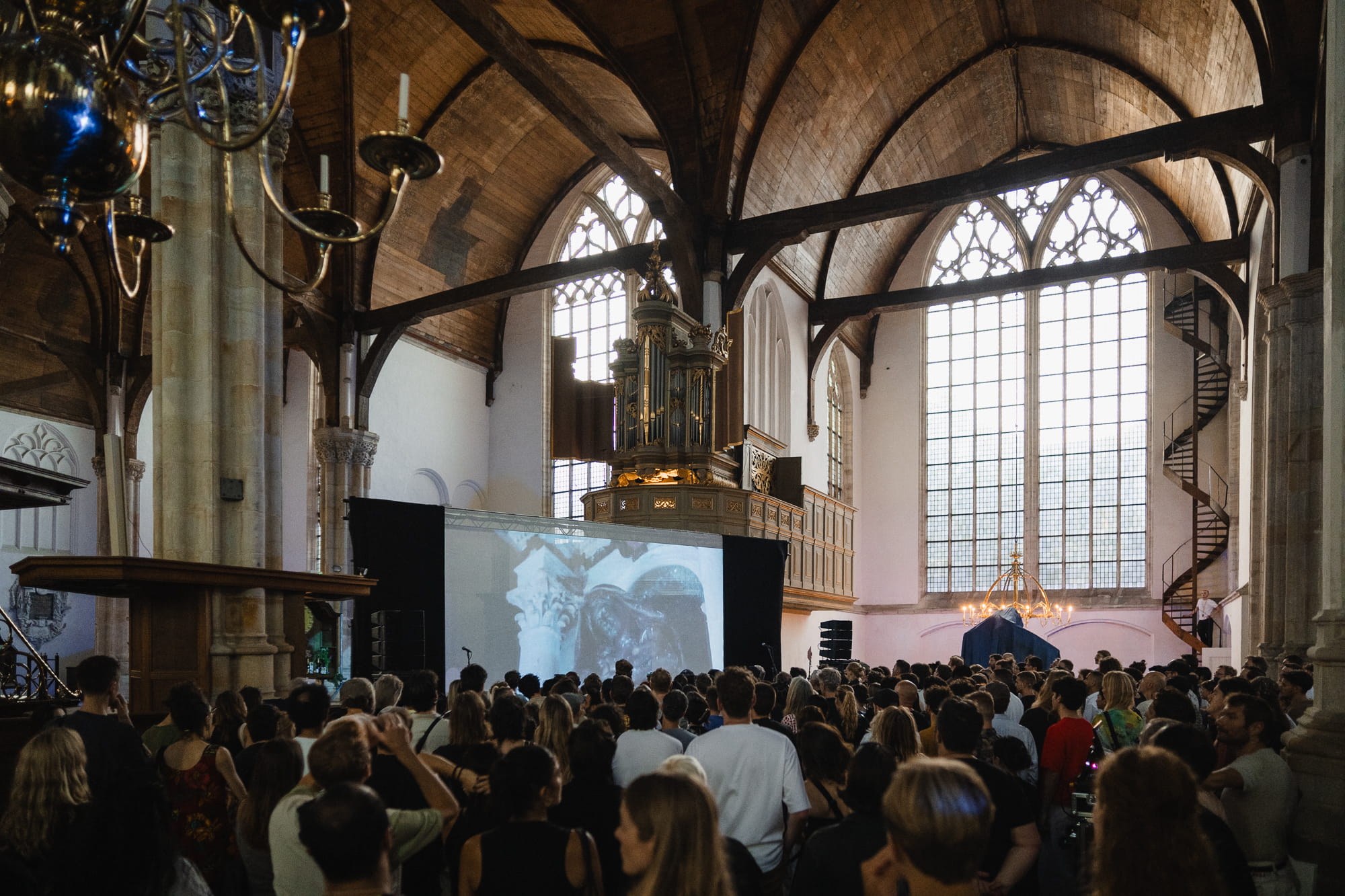
My weekend started on Thursday at Paradiso for STOOR, Speedy J’s live project. Having seen the production at ADE last year, I was really excited to experience it again. This edition brought together Speedy J, Aurora Halal, Azu Tiwaline, Barker & Carrier for 7 hours of musical experimentation & improvisation
I only stayed for the first four hours, which almost feels ridiculous considering the whole thing ran for much longer, but those four hours were epic. What I liked most was how patient it was. Nobody seemed interested in smashing out techno straight away. For the first couple of hours they were building something: strange textures, percussion and little changes that you wouldn’t necessarily notice until you realized how far the music had moved.
I definitely could of stayed longer, but DARKSIDE were playing down the road at Melkweg, and there was no chance I was missing them.
The venue was absolutely packed. Proper shoulder-to-shoulder packed. Being tall finally had its advantages because I’m not sure how much of the stage I’d have seen otherwise.
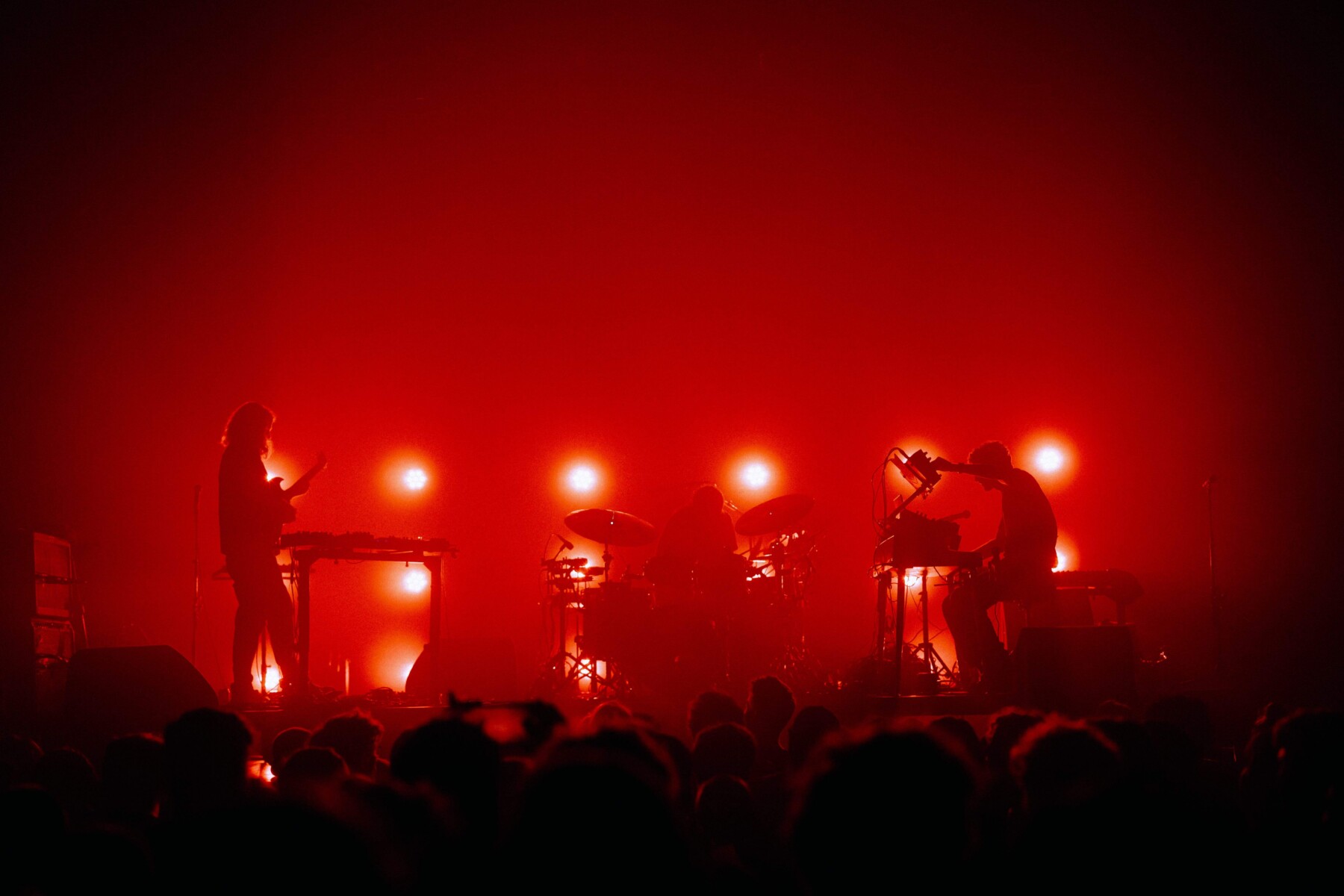
So for those of you who don’t know, DARKSIDE is formed of Nicolás Jaar, Dave Harrington and Tlacael Esparza, and seeing what they’ve done live was one of the most interesting things I’ve seen. Jaar’s electronics mixed with Harrington’s guitar and Esparza’s percussion can move between electronic music, psychedelia, ambient and rock without really sitting comfortably in any of them.
When they came out, there wasn’t some huge intro designed to get an instant reaction. They just started playing and let it develop. That was the beauty of it. At times it didn’t even feel like we were watching a conventional gig. It felt like watching three musicians figuring out where they wanted to take the music together. There were sections where you could hear the room go noticeably quieter because everyone was concentrating on what was happening on stage, followed by moments where everything suddenly clicked, and the place erupted.
Two completely different performances in two completely different venues, and we’d barely even started the festival.
Thursday had done its job. Dekmantel proper started the next morning.
Friday: Introducing At Dawn
Who would have thought getting to a festival at 11 am would turn out to be such a good idea?
Friday started with At Dawn, and Dekmantel clearly understands how to get people through the gates early: a free mimosa, croissant and coffee. No complaints from me
First up was James Holden and Surgeon playing live at the new Greenhouse stage; it felt more like a sanctuary than a festival stage. Sunlight filtered through the canopy while much of the crowd chose to sit or lie on the floor, completely absorbed in the music. Combined with the 360° NNNN sound system, every subtle texture and evolving drone seemed to move all around you. It was an intimate experience that offered the perfect start before letting out all of my energy as the festival ramped up later in the day.
After soaking in the tranquility of the Greenhouse, we made our way to the Radar stage to catch the second half of Satoshi Tomiie & Kuniyuki Takahashi (Live).
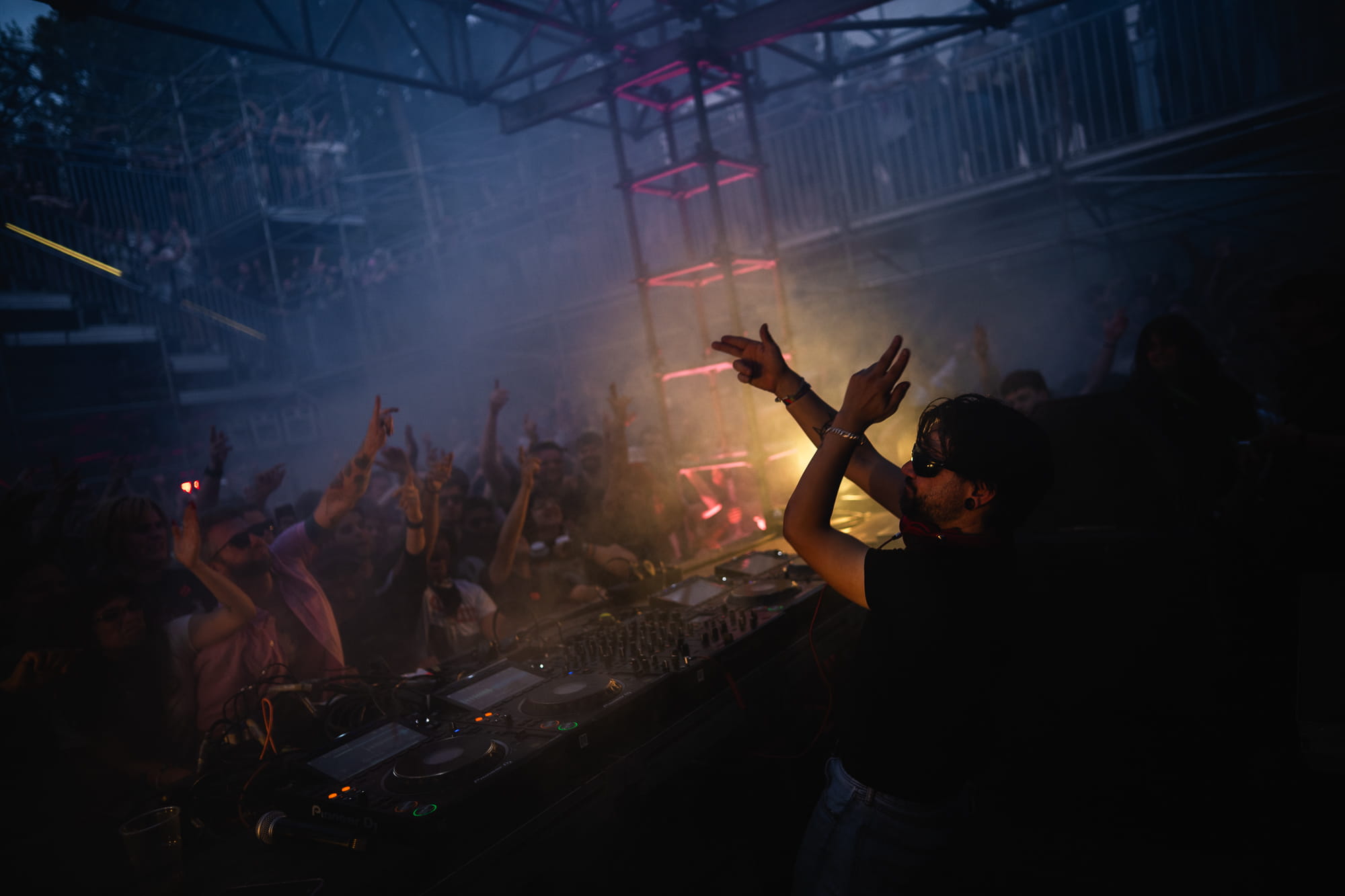
Radar is hard to miss. It’s essentially a maze of industrial scaffolding, with walkways stacked above the dancefloor and people watching from almost every level. You can stay down in the thick of it or climb up and look straight over the booth. It quickly became one of our favorite stages; you could probably tell by the number of ‘NO CAMERAS’ stickers covering my phone case by the end of the weekend. I genuinely loved the no-camera policy. Once the sticker goes on, the phones disappear, and everyone’s attention goes back to where it should be: the music.
Tomiie and Takahashi were surrounded by keyboards, modular gear and drum machines, which meant there was plenty to watch as well as listen to. The two Japanese artists come from slightly different musical backgrounds: Tomiie from house and Takahashi from a more jazz-influenced, improvisational side of electronic music, and you could hear both coming through.
I really loved watching them communicate through the hardware. Tomiie would introduce a rhythm or melody, and Takahashi would react to it; you could actually hear the music changing as they worked.
Live performances became a bit of a theme across the weekend. Dekmantel had programmed a ridiculous amount of live electronic music, and it was great seeing artists actually building and manipulating sounds in front of you rather than every performance being based around decks.
Later we headed into UFO 1 for what turned into a pretty serious techno run: FJAAK Hybrid, Dax J Live and Speedy J closing.
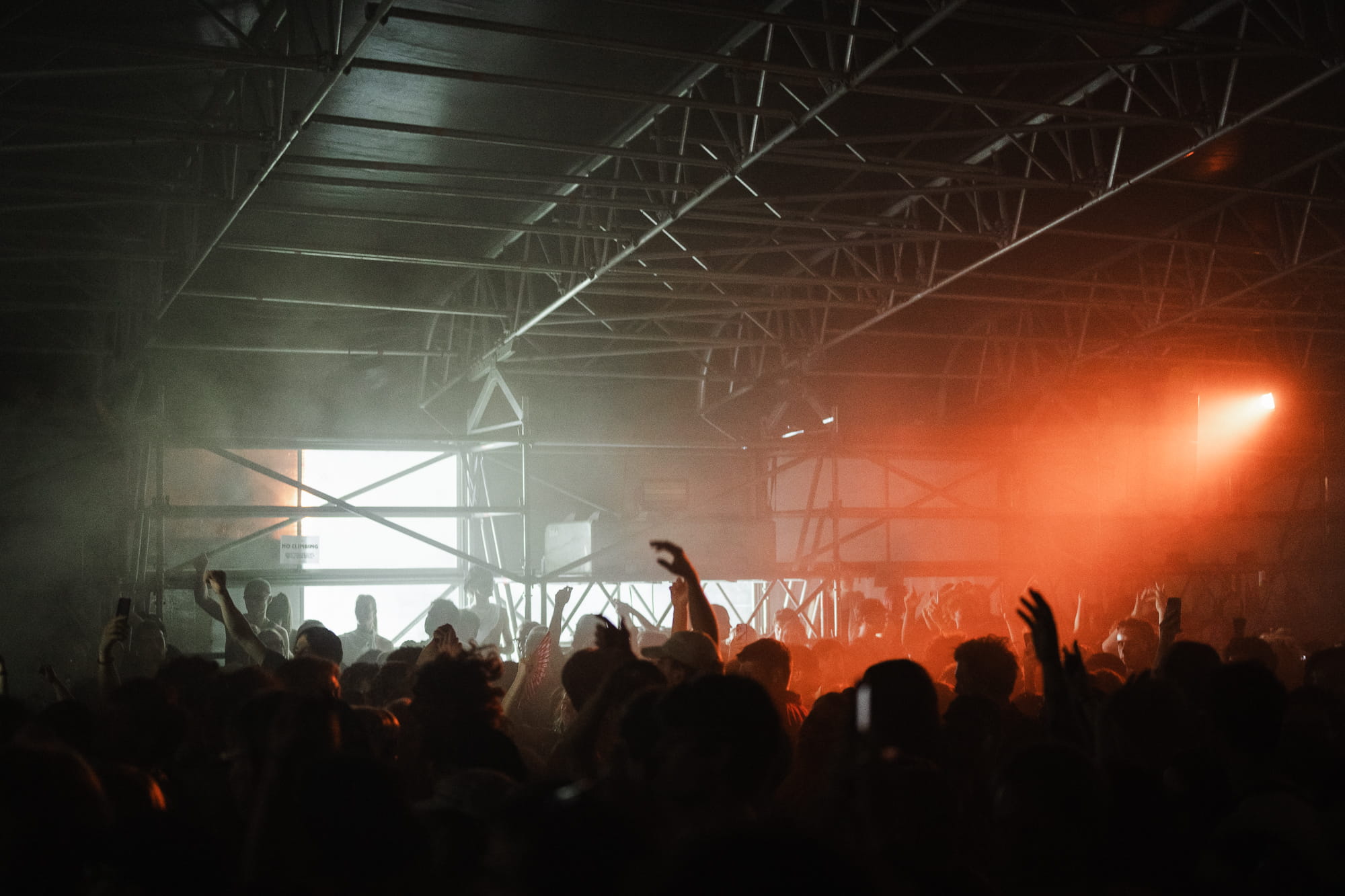
So UFO 1 is enormous. It’s basically a giant aircraft hangar with exposed steel beams, huge lighting rigs hanging from the ceiling and enough sound to fill every inch of it. Earlier in the day, I’d had the chance to speak to the stage designer, who gave me some insight into the inspiration and thinking behind creating such a phenomenal space. Walking in from the daylight outside, and then seeing it all come to life, felt like entering a completely different festival.
FJAAK got things going with their hybrid setup, combining DJing with live hardware and bringing the kind of raw, high-energy sound they’re known for. The hybrid format gave them more room to play around with tracks, layering drums and manipulating elements live rather than simply moving from one record to the next. In a space like UFO 1, their heavy kicks and rough-edged grooves sounded absolutely huge, and they did a great job of getting the hangar properly warmed up for what was still to come.
Dax J was next, and this was the performance I was particularly curious about. I’d seen him behind the decks before, but watching him step away from the CDJs and perform completely live on hardware was something I hadn’t experienced before.
The intensity was still unmistakably Dax J, but the live setup made things rougher around the edges and less predictable. I was dancing non-stop; it was definitely amongst one of my favorite sets from him I’ve heard
Then Speedy J took over….
After Dax J, there really wasn’t any need to reset the room; everyone was very hyped. Speedy J upped the energy exactly where Dax had left it and just kept pushing. Relentless, driving techno filled the hangar right through to the close. Yes, you would of seen my dancing front row for this entire set as well, but well worth it.
By the time I walked out of UFO 1, it was difficult to believe the day had started with a croissant, coffee and ambient music.
That contrast was probably the best thing about Friday.
Saturday: Live Music Before Noon
Saturday started with another At Dawn session, this time back at Radar for Colin Benders. If there was anyone worth getting up early for after Friday night, it was him.
Benders had his custom modular setup in front of him and, as always with his live shows, there was no obvious script to follow. He was patching cables, changing sequences, and building the set as he went. Half the fun was watching him work. You could hear an idea appear, develop for a few minutes, and then disappear as he moved on to something completely different.
The morning setting made it even better. Sunlight was coming through the open sides of Radar, and the music started relatively restrained, with Benders taking his time before giving us what everyone was waiting for. You could almost feel the crowd anticipating that signature kick.
And then it came.
The whole mood changed instantly. What had started as something spacious and atmospheric suddenly had some serious weight behind it. After patiently watching him construct everything piece by piece, hearing that kick finally come through the system was a proper moment. Not a bad way to start a Saturday morning.
Just around the corner was the Selectors stage, where we caught the first-ever PLO Man b2b Skee Mask.
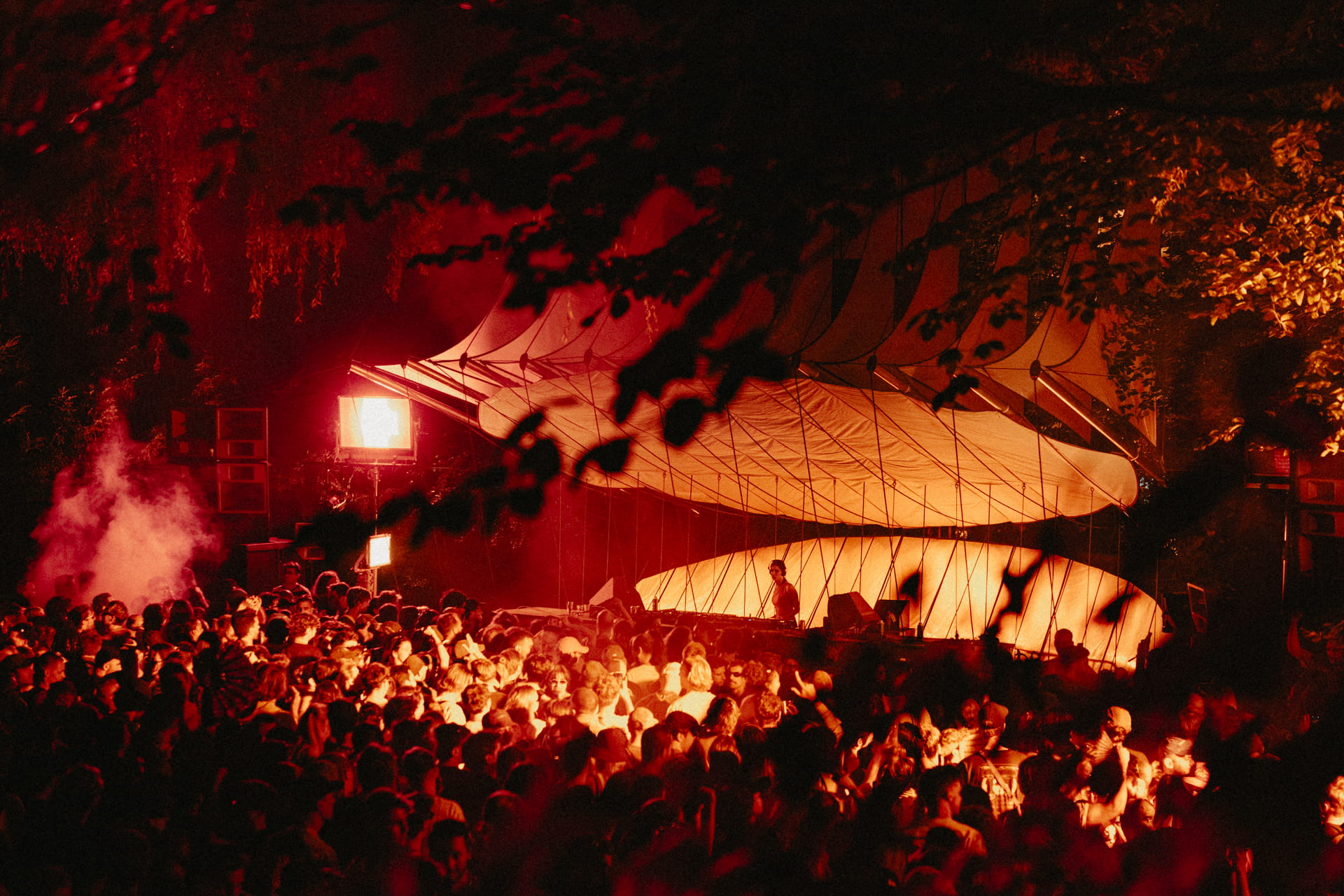
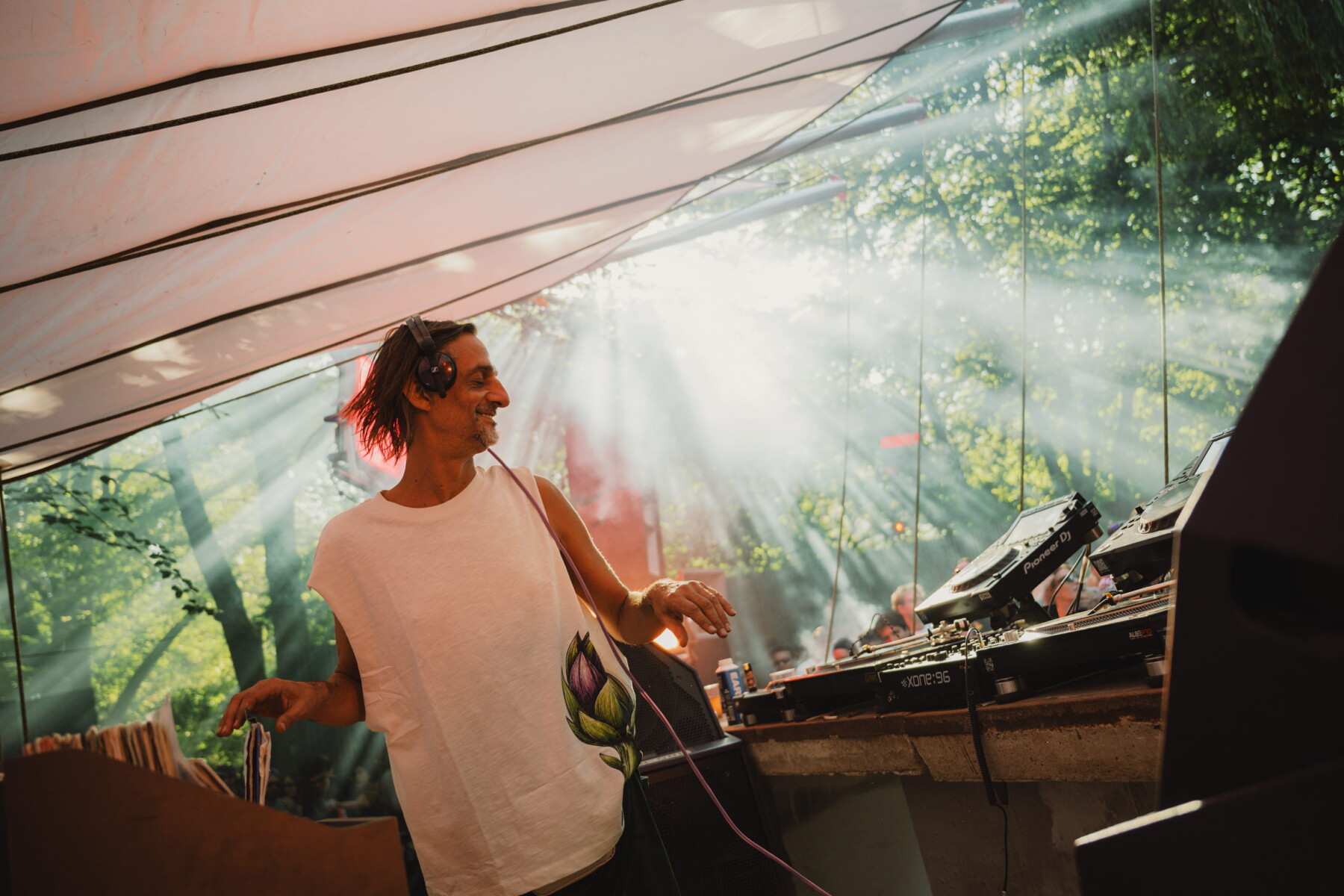
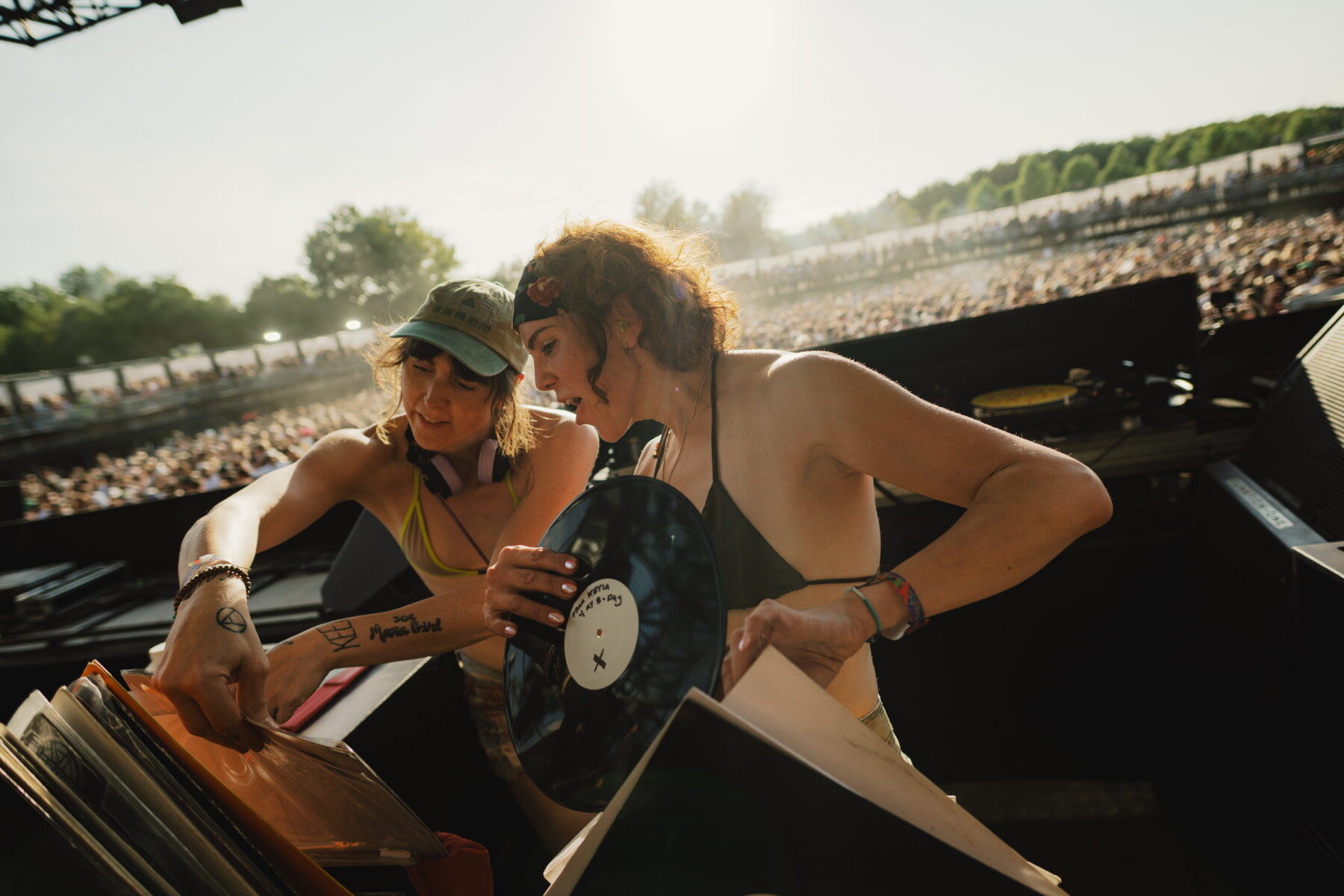
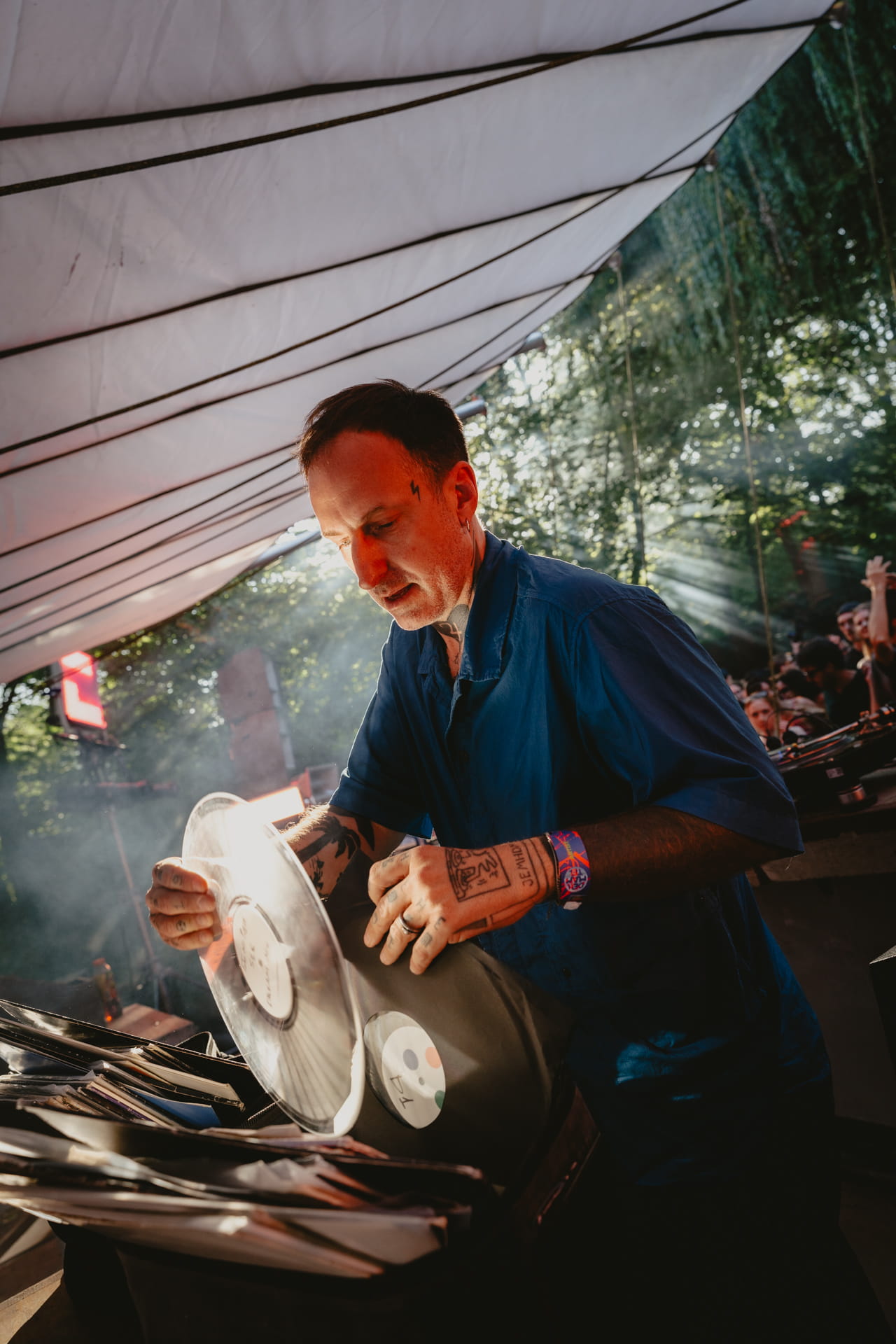
Selectors is probably one of the prettiest stages at Dekmantel. It’s hidden amongst the trees, with this huge sail-like canopy stretched above the dancefloor. After the industrial surroundings of Radar, walking into it felt completely different.
I was interested to hear how PLO Man and Skee Mask would work together because they both have such distinctive tastes. It turned out that was exactly what made the pairing work. I heard bits of house, techno, breakbeat, jungle and ambient without the set ever feeling like they were trying to tick off genres.
They weren’t in any hurry either. Records were given time to play out, things occasionally went somewhere completely unexpected, and then somehow they’d find their way back into a groove. It felt like two very good selectors digging through their collections and seeing where they could take each other, rather than a B2B where both DJs were fighting for the biggest reaction.
Later in the day, Batu at The Nest became another highlight.
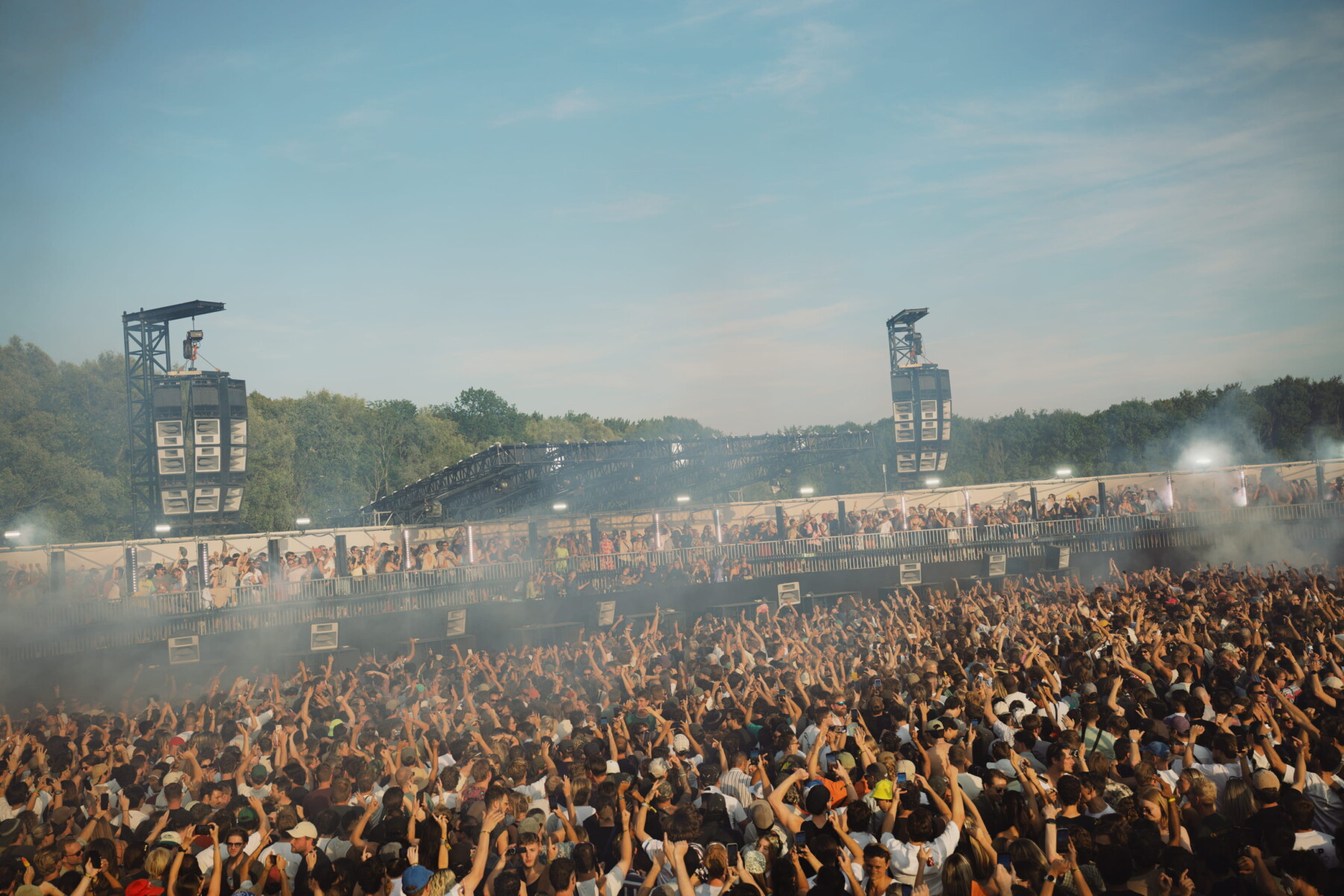
The Nest is a strange-looking stage in the best possible way. It’s built from a huge open steel framework, with the DJ booth sitting underneath and the enormous KRAAK speaker stacks impossible to ignore. Because the sides are completely open, you still have daylight and trees around you, but once you’re in front of that system it has much more of a club feeling.
And Batu sounded absolutely ridiculous on it.
His set bounced between broken rhythms, heavy percussion, bass and techno without becoming easy to predict. Just when I thought I’d worked out where he was going, he’d change direction. There were plenty of heavy moments, but he didn’t need to hammer the crowd constantly to keep the energy up.
The combination of Batu and that KRAAK system was probably what made this one stick with me. The low end had real physical weight to it, particularly when he dropped into the more bass-heavy parts of the set. Definitely one of my favorite few hours of Saturday.
I eventually ended up at UFO 2 for the close.
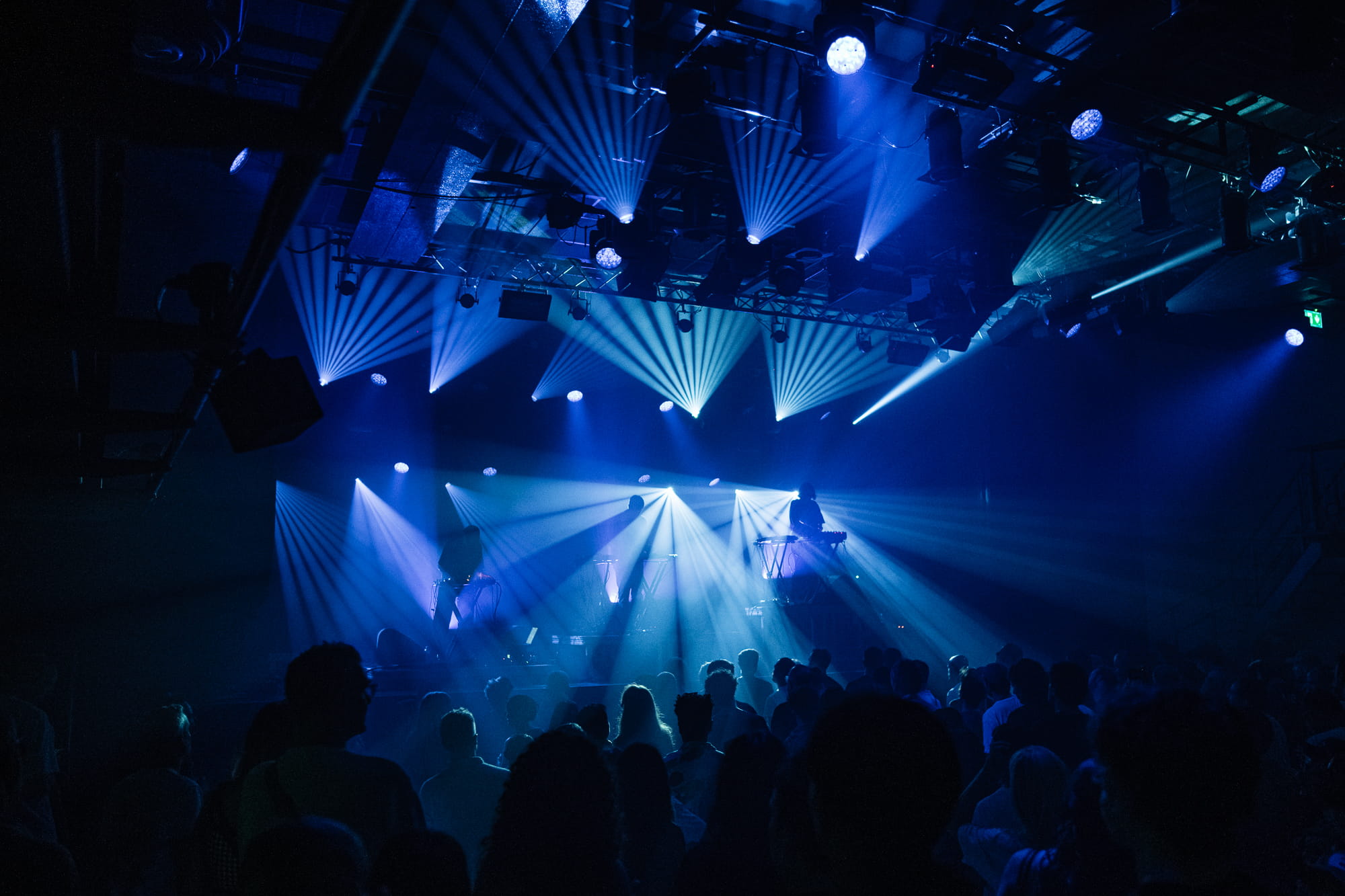
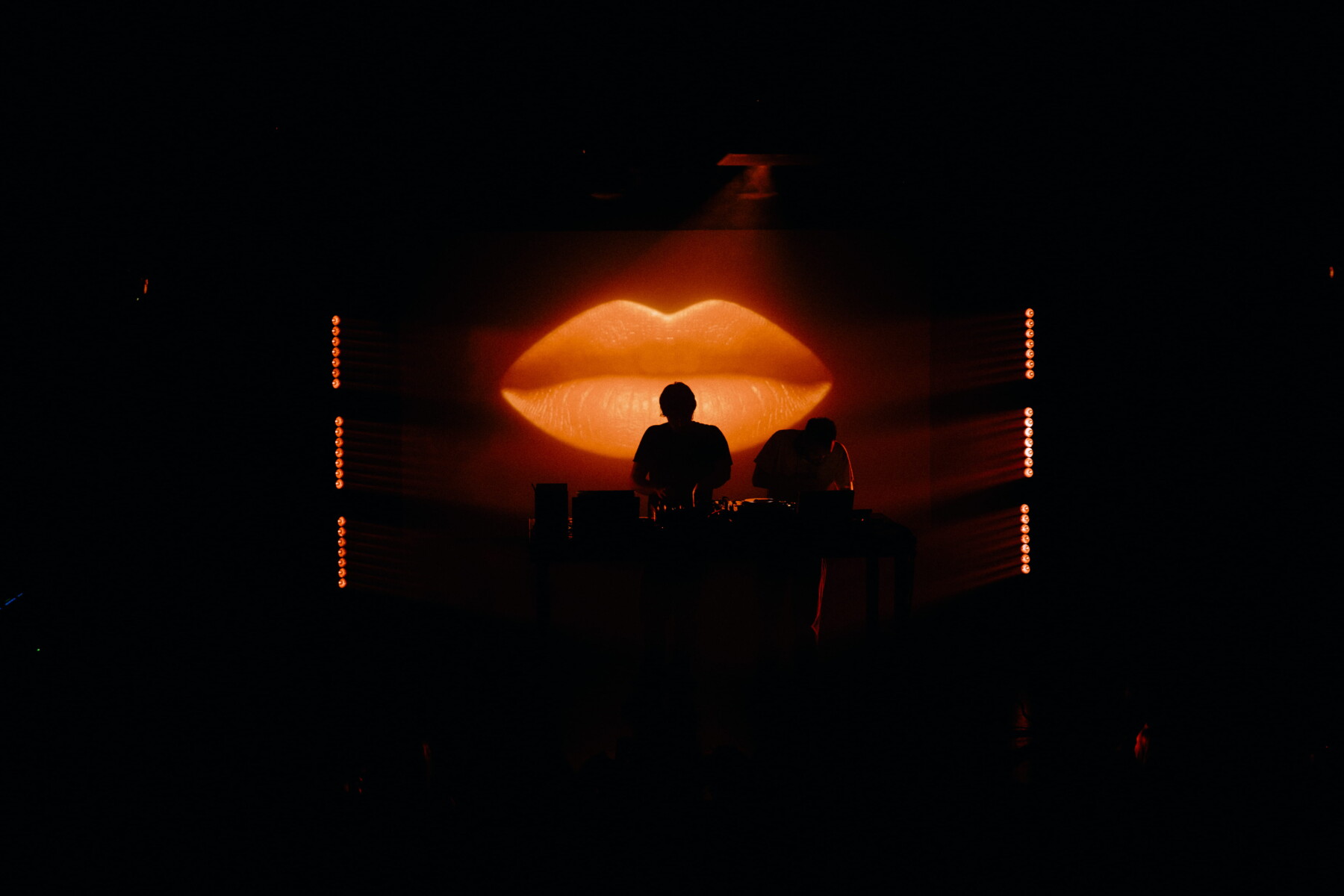
This year’s version had a huge suspended LED installation running through the middle of the hangar. Once it got dark and the haze started filling the room, the lights completely changed the space. At times it looked like this glowing structure was floating directly above the crowd. They even had smoke coming through the LED, something I’ve not seen before.
Then upsammy came on and completely went for it.
I wasn’t quite expecting the closing set she delivered. It was fast and constantly changing; drum & bass into jungle, broken beat, techno and psychedelic sounds, sometimes moving between them before you’d even had time to work out what had just happened.
But it never felt random. That’s what impressed me. She could take the room somewhere completely different and somehow make the transition make sense. The perfect closing set.
After starting the morning watching Colin Benders slowly build a live set from a modular system, I ended it underneath a giant LED installation with upsammy throwing jungle and techno around UFO 2.
That pretty much summed up my Saturday at Dekmantel.
Sunday: The Final Push
By Sunday morning we were definitely starting to feel the previous three days, but At Dawn had given us a good enough reason to get up early again: Jeff Mills.
And this wasn’t the Jeff Mills set I was expecting (In a very good way ☺).
Rather than the futuristic techno he’s famous for, Mills arrived with a bag of records and played an old-school vinyl house set. Hearing him dig through soulful house and classics while working the turntables was a real surprise, and probably one of the reasons I enjoyed it so much. Everyone knows what he can do with techno, so getting to hear another side of his record collection felt quite special.
It also worked perfectly at that time of the morning. Nothing too aggressive, just good records, proper mixing and Jeff Mills clearly enjoying himself behind the decks. Three mornings into At Dawn, I was completely sold on the idea.
From there it was back to Radar, although the mood was about to change completely.
Mala was playing.
Being from London and growing up with dubstep. I’ve always felt it needs to be heard on a proper system to really make sense, and Radar gave Mala exactly that. The bass was ridiculous. You weren’t just hearing it; you could feel it travelling through the structure and through your body.
A bassline could roll for what felt like ages and still hold everyone’s attention. Considering how far dubstep has travelled since its early days, watching one of the scene’s pioneers play it this way was a reminder of just how powerful the original sound still is.
After Mala, UFO 2 became our home for the next four hours.
Because this line-up was unmissable, thank you to the programmer for curating this: The Black Dog, SHED presents Rave Echoes Live, Gyrofield and Dopplereffekt. WOW!
The Black Dog started things off with atmospheric, machine-heavy electronics before SHED took over with Rave Echoes Live. As the name suggests, there were plenty of references to rave in there, but filtered through SHED’s own rough, hardware-driven sound.
Then came Gyrofield, who pushed things in another direction again. Techno, bass and broken rhythms all started colliding, and by this point it became obvious I wasn’t going anywhere for a while.
Finishing that run with Dopplereffekt felt almost too perfect. Their cold, futuristic electro sounded incredible inside UFO 2, especially with that huge lighting installation hanging above us. Four hours had passed without me really noticing.
There was only one place left to finish the weekend: The Loop.
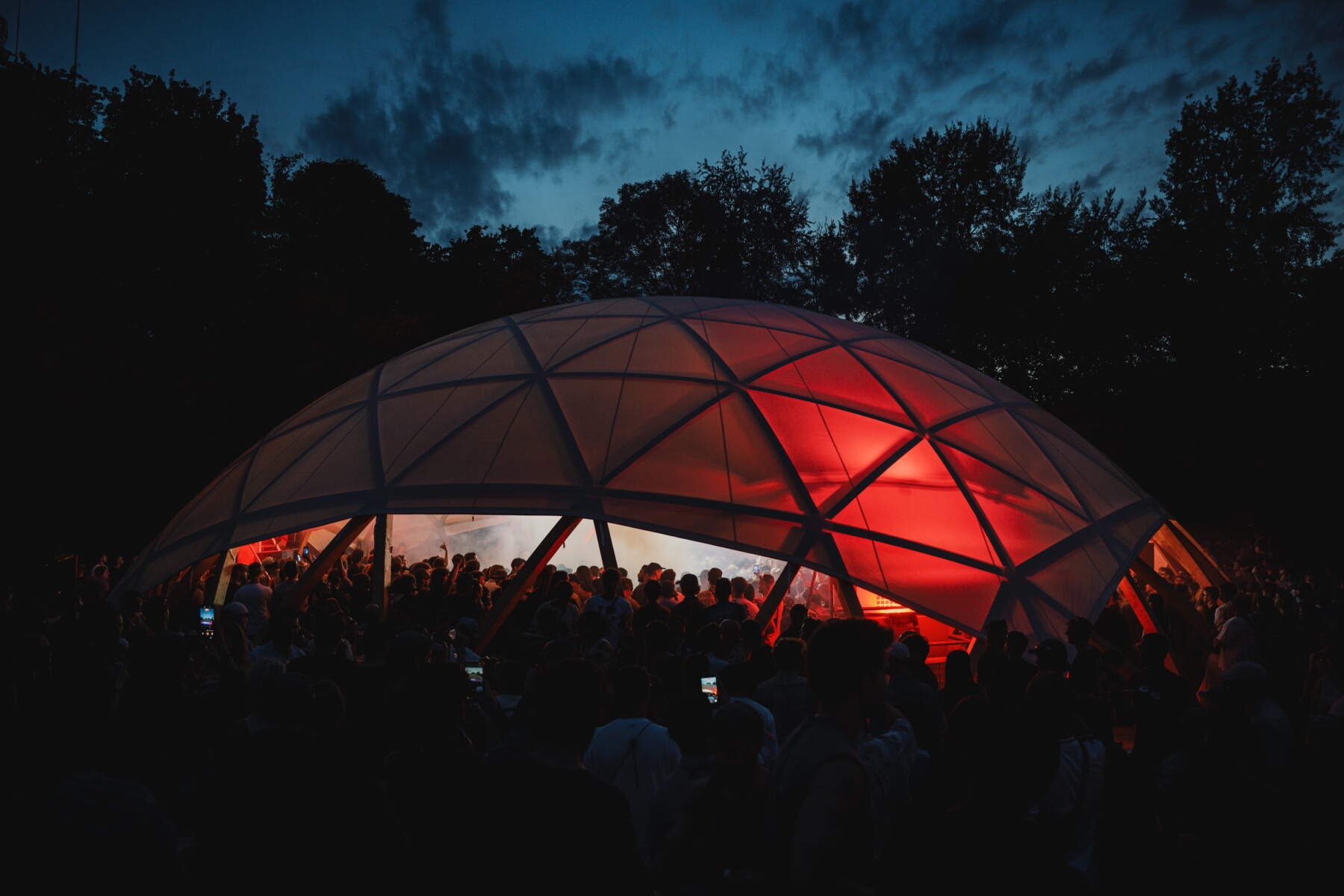
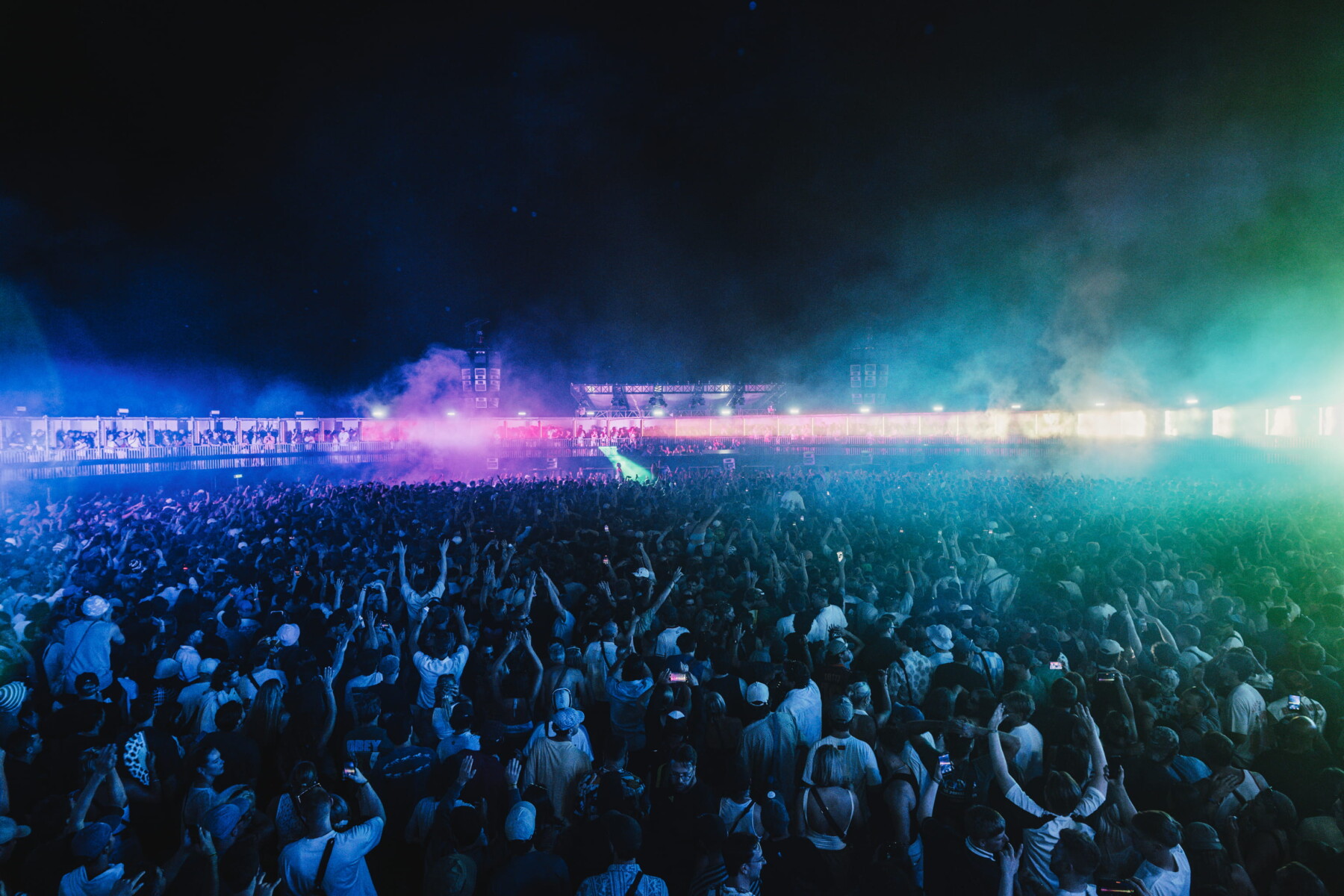
I arrived for Benny Rodrigues, and seeing The Loop properly lit at night was completely different from seeing it during the day. The dancefloor sits inside this huge circular structure, with people surrounding you at ground level and looking down from above. Once the ring of lights and screens came on, the whole thing looked like some kind of electronic coliseum.
Benny didn’t need to reinvent anything for the final set. He just needed to make us dance.
And he did.
House and disco, plenty of groove, and enough energy to squeeze whatever was left out of a crowd that had already been going for five days. There was something nice about ending the festival this way. No complicated live setup, no experimental curveball; just a great DJ playing records to a packed dancefloor that really didn’t want to go home.
The final 15 minutes were probably my favourite part. Rodrigues started reaching for the house classics, and suddenly it felt less like another festival set and more like one big end-of-weekend celebration. These were records people knew, and you could hear voices across The Loop singing along as each familiar track came in. After four days of hearing so much forward-thinking and experimental music, there was something brilliant about finishing with tunes that didn’t need any explanation.
When the last record finished, and the lights started coming up, I stayed around for a little while. After spending four days constantly checking set times and deciding which stage to run to next, suddenly there was nowhere else I needed to be.
And that was Dekmantel done.
I’d gone into the weekend knowing its reputation, but now I understood it. It wasn’t any single artist that made the festival for me. It was drinking coffee while listening to ambient music at 11 am, watching musicians build tracks from hardware in front of us, hearing Mala’s sub-bass shake Radar, getting lost inside UFO 2 and eventually finishing beneath the lights of The Loop.
Four days later, tired, ears ringing and already discussing next year on the way out, I think that probably says enough.
Automatisch aus dem bereitgestellten RSS-/Atom-Feed übernommen.