-
 play_arrow
320 FM Pure electronic music
-
 play_arrow
Sekora Radio 177 - Leo Lauretti UOAK


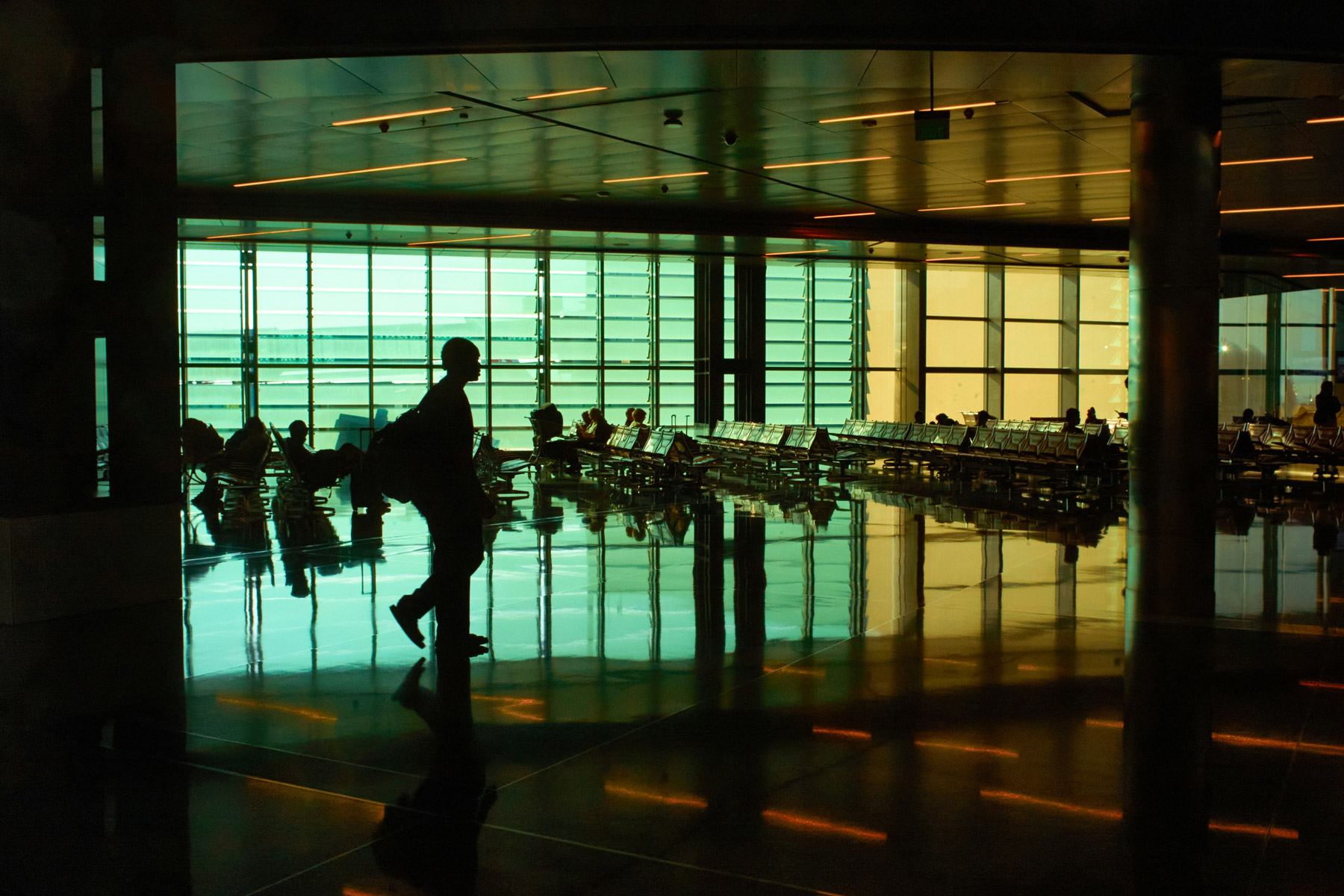
The crowd usually knows when a set ends. The final record fades, the lights shift, the booth starts to clear, and the room begins to move toward whatever comes next. Some people go home. Some look for another room. Some stay near the front, still carrying the last pieces of the night in their bodies.
Cover photo by Howen on Unsplash
For the artist, the ending is rarely that clean. The booth may go quiet, but the nervous system does not switch off at the same speed as the sound system. The body is still holding the room. The mind is replaying moments, choices, faces, transitions, mistakes, and flashes of connection. The night is over, but it has not fully left.
That is the space this third edition of DJ Rituals enters: the hour after the booth.
The first edition looked at the quiet rituals before the show. The second looked at the things artists carry to stay grounded on the road. This one turns toward the comedown, the strange private hour after the public moment ends, when the fantasy of nightlife meets the reality of travel, fatigue, adrenaline, and sleep.
For Fiona Kraft, that hour is not romantic.
“After years of doing this, everything becomes the same, and the routine is all you got,” she says. “I have a special feeling only when I play. The moments before, and especially the moments after, are always the same. It is just a routine.”
There is a blunt kind of honesty in that answer. From the outside, the end of a set can look like the start of something else: backstage drinks, friends, sunrise, another party, another story. For the artist, it can be much simpler.

“I usually just want to go to the hotel as soon as possible and sleep,” Kraft says. “Tomorrow is almost always a travel day, so my mind shifts to that. Even if the party was the best I have ever seen, after my set, I just want to go rest. So boring, right?”
It is not boring. It is the part of the job most people never see. The dance floor experiences the set as a peak. The artist often experiences it as the center of a larger chain: arrival, hotel, soundcheck, show, sleep, airport, flight, repeat. The hour after the booth is not only about coming down from the music. It is also about preparing for the next departure.
That is where the public fantasy and the private reality split.
“People always ask me for the afterparty,” Kraft says, “when in reality I am on my way to the hotel or on the way to the airport to catch a plane.”
The crowd wants the night to keep expanding. The artist is often already thinking about checkout time, airport distance, and whether there will be enough sleep to feel human the next day.
For Pan Pot, the hour after the booth carries a different charge.
“We usually just hang with our friends for a few minutes and let it all sink in,” they say. “It is that weird moment where you are cooling down, replaying the night in your head, and realizing what just happened.”
Not every comedown is exhaustion. Sometimes the hour after a set is a quiet attempt to understand the energy that just passed through you. A good night can move fast from inside the booth. There is pressure, focus, instinct, timing, and constant response. Then suddenly it ends, and the artist is left with the echo of it. The room is no longer asking for decisions, but the body is still carrying the voltage.
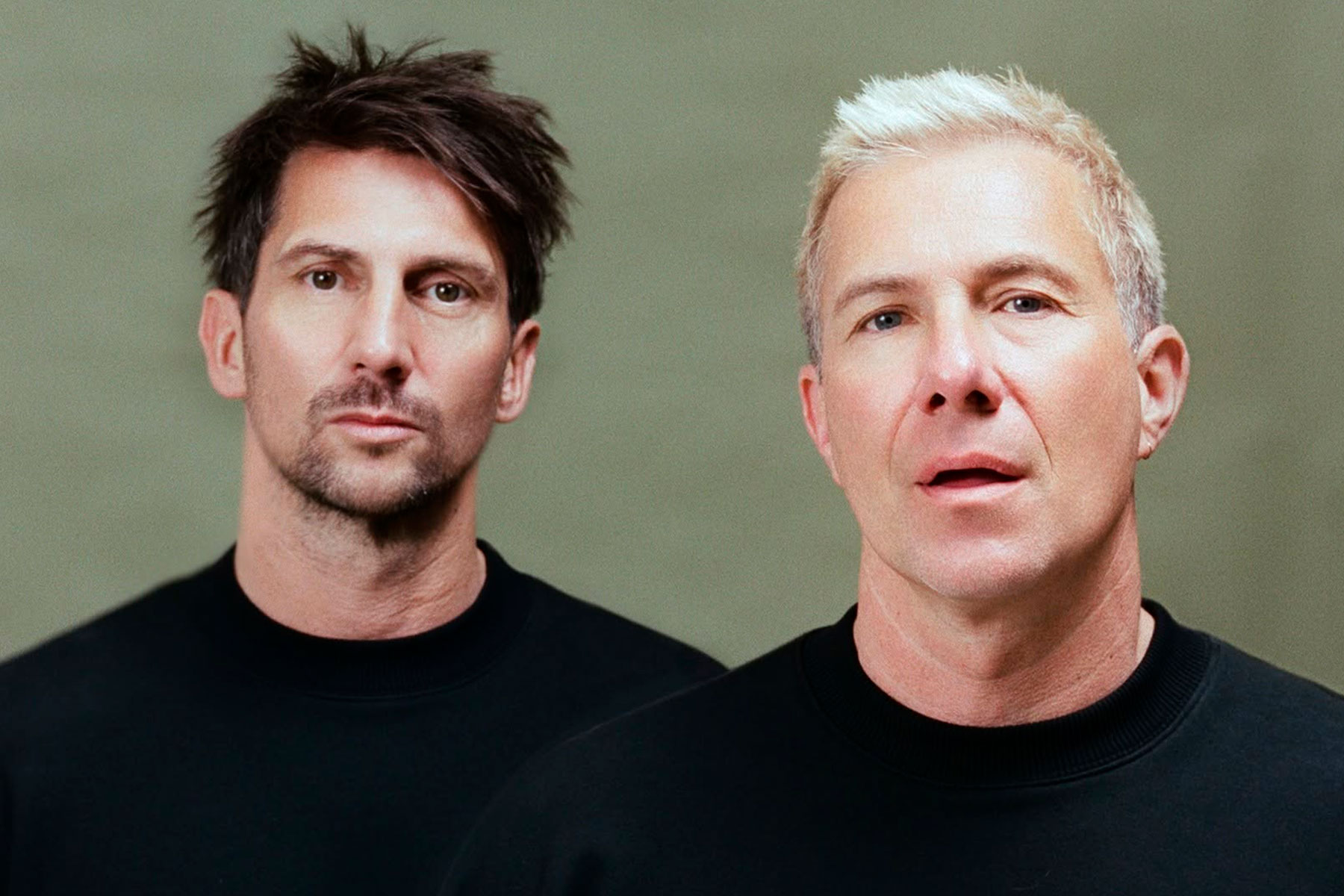
“People think the energy just switches off, but it does not,” Pan Pot say. “You are still buzzing from the music and the connection with the crowd, so it takes a while to land back in reality before you can really relax.”
That may be the heart of the hour after the booth. It is not one feeling. It can be relief, hunger, silence, joy, exhaustion, friendship, a ride to the hotel, or the blank light of an airport terminal. It can be the need to talk, or the need to say nothing at all.
For Camea, grounding herself means seeking out the quiet human contact that touring can often strip away.
“I usually like to try to spend some time with the event promoters backstage,” she says. “After travelling and being alone in the hotel for so many hours, conversation and connection feel really good and bring me back to center.”
Sometimes the artist does not need more noise, but they do need people. Not the performance of an afterparty, not the endless social loop, but a few grounded minutes with the people who helped build the night. Touring can be strangely lonely. There are crowds, crews, drivers, hotel desks, airport gates, and packed rooms, but also long stretches of solitude. Hours alone before the show. Hours alone after it. In that context, a simple conversation can become part of the landing process.
The harder part often comes later.
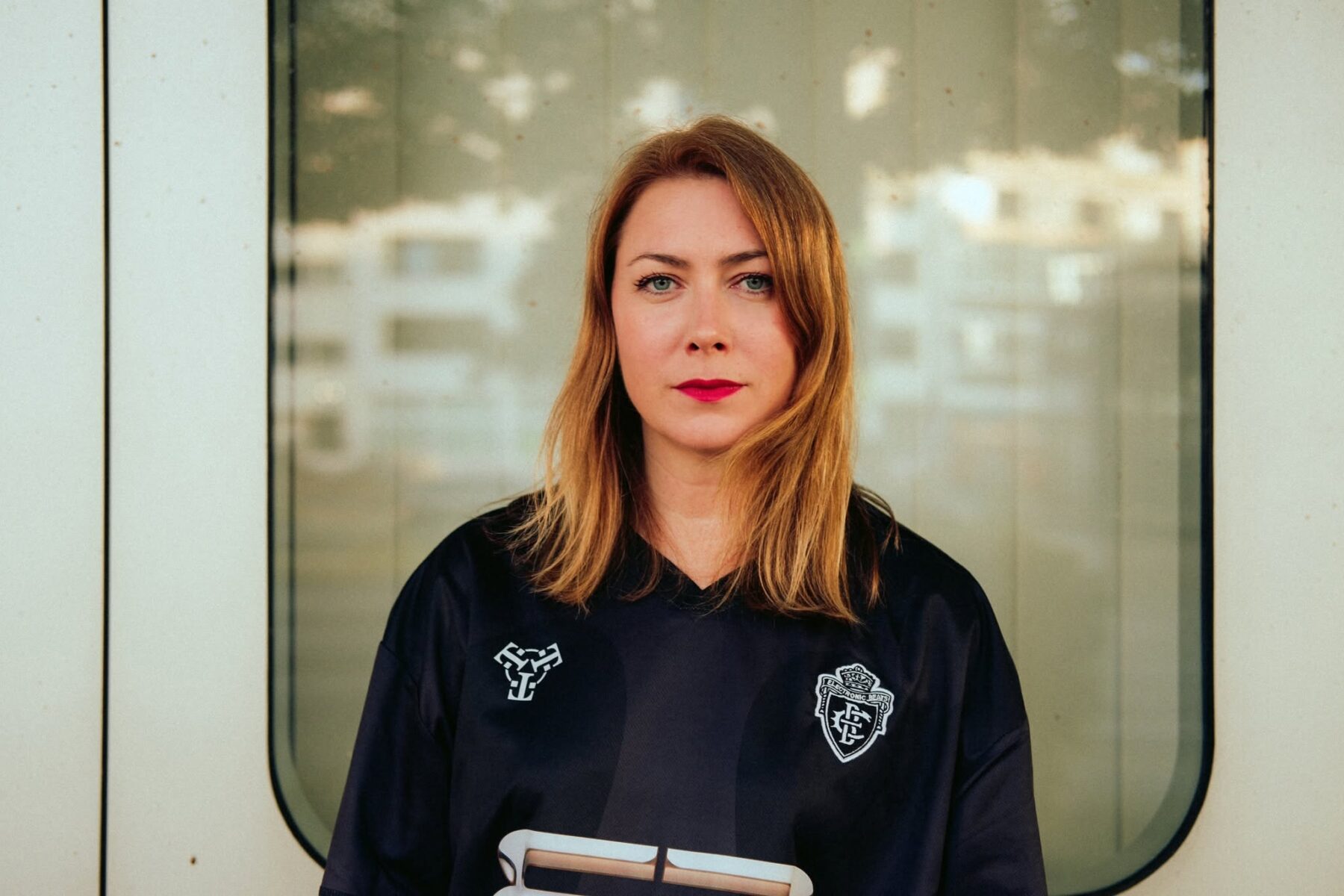
“It is very hard to sleep after a show,” Camea says. “You are processing so much sensory input for several hours, and your mind does not slow down right away, even if you are exhausted. The hardest part of the tour for me is falling asleep after the shows.”
The night ends for the crowd before it ends for the artist’s body. The music stops, the room clears, the car arrives, the hotel door opens, but the mind is still awake inside the set. It is still catching up with the light, sound, movement, pressure, and connection of the past few hours.
What connects these answers is the gap between the myth and the body. Club culture often freezes artists at the height of the night: the photo behind the decks, the hands in the air, the clip when the room erupts. But the work does not end in that image. After the lights come up, there is still a person trying to land.
That is what makes the hour after the booth so revealing. It removes the performance from the performance. There is no crowd to move, no room to read, no transition to save. Just the residue of the night, and the question of what the artist needs to feel normal again.
Landing takes different shapes. It can mean heading straight for the hotel sheets or spending a few quiet minutes with friends. For others, it is about talking to the people who built the night, or simply lying awake in the dark, waiting for the brain to finally match the quiet of the room.
The crowd may leave with the memory of the peak. The artist leaves with the echo.
And somewhere between the last record, the empty booth, the hotel room, and the early flight, the night ends in a way most people never get to see.
Ähnliche Beiträge